When the first iteration doesn't quite cut it, go back to the drawing board.
Many users struggle in creating high quality, successful partnerships that fit their brand, and will help generate sales for their business.
The primary goal and north star metric was to help foster more activated partnerships. This means not only improving the number of new partnerships created, but also aim to reinvigorate and reactivate existing partnerships which have become dormant.
Collaborative design with myself and a content designer, guided by 2x product managers and product lead.
Given the size and variability of our user base, the solution had to be scalable, modular and flexible.
12 months total. The initial iteration was planned for 6 months, end-to-end. Iteration 2 took a further 6 months of refining and testing.
Working to tight deadlines, and little to no user research - we redesigned what we could according to UX principles and best practice. This first version was: cleaner, easily readable, more usable and more relevant to the users.
Prior to launch however, we decided that this was not enough, and was based on guesswork and assumptions. This was a result of siloed decision making, and minimal communication between product, development and design.
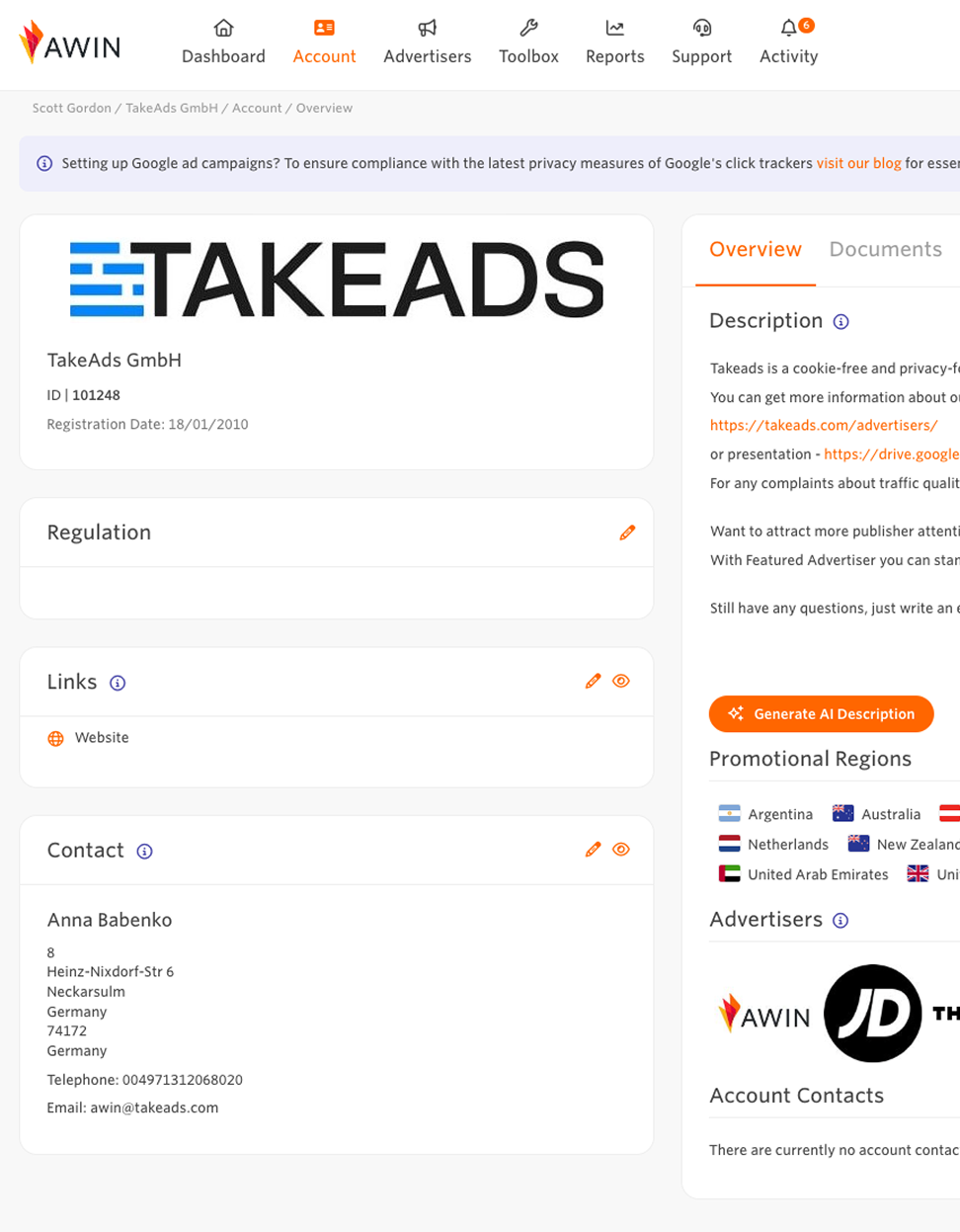
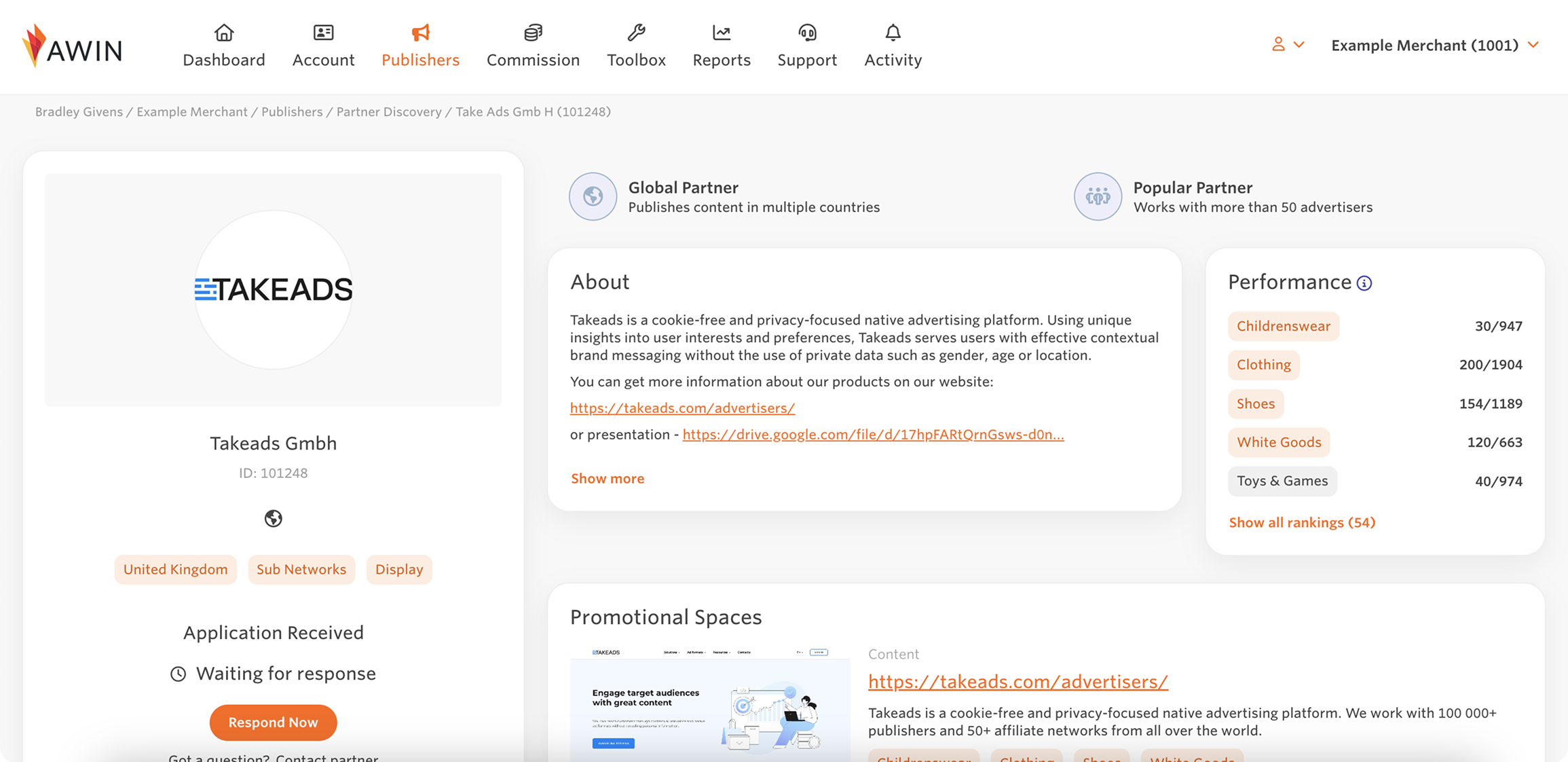
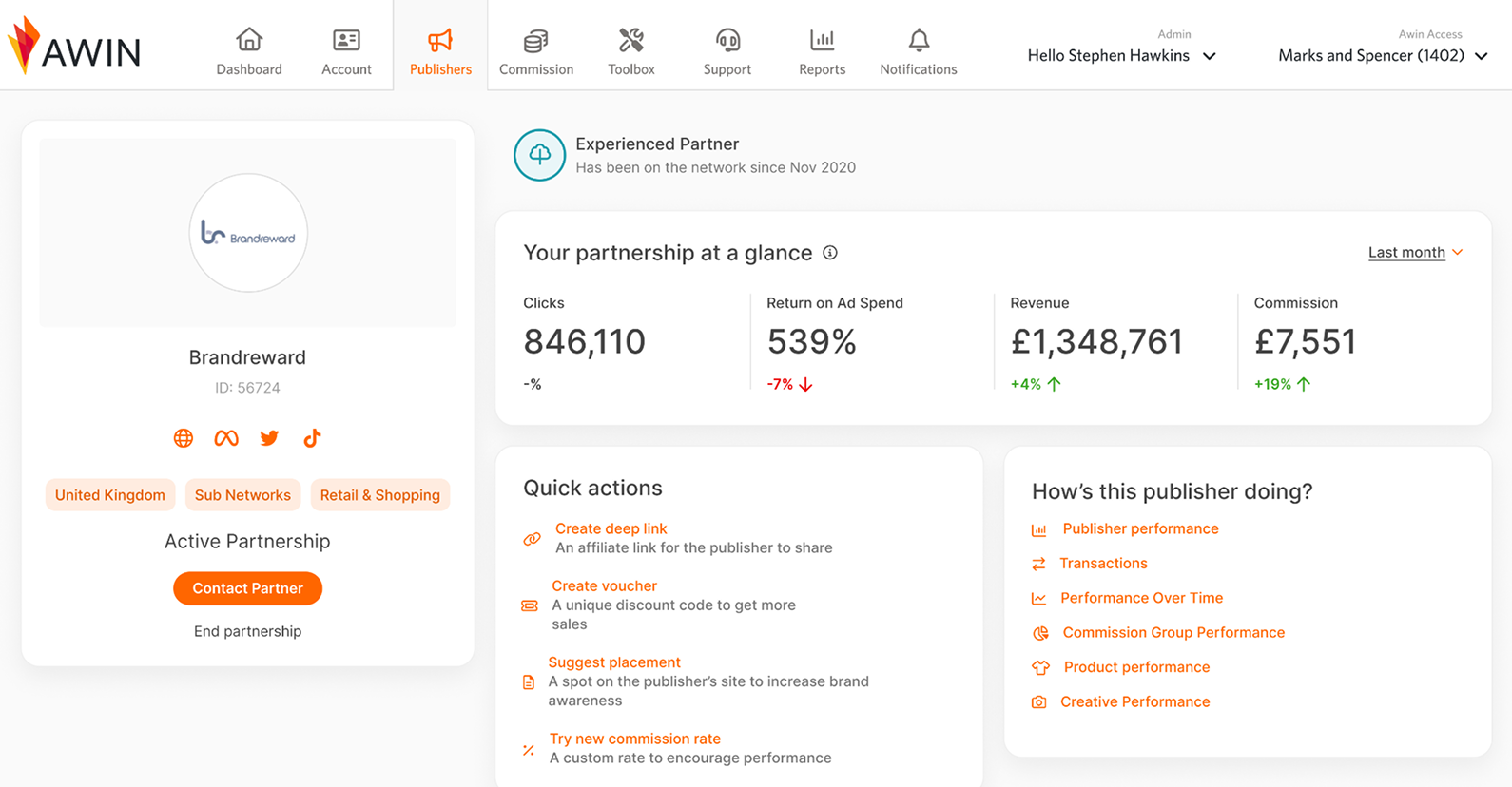
Not being happy with providing minimal impact to users, we went back to the beginning (almost) and picked up discovery again. User interviews, stakeholder workshops, analytics and session recording, faster and closer iteration loops, constantly questioning and validating our hypotheses led us to a much better solution.
This is where we found out that 30% of the visits to profiles are from users who are already partnered with them why?

One of the main principles I had for these profiles from the very start, was to make them open, accessible and relevant.


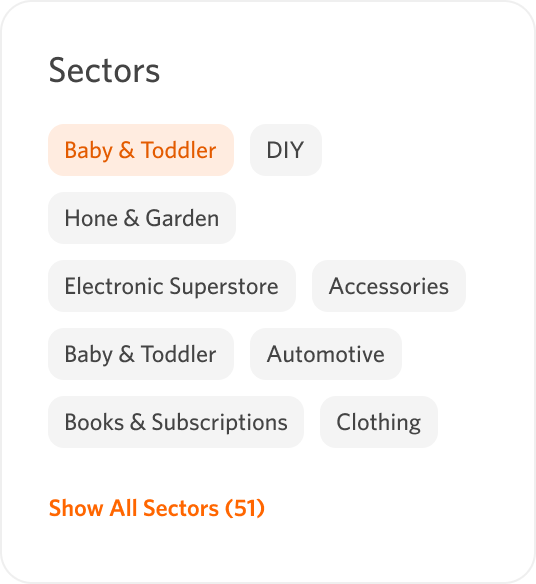
We were working with unstructured, inconsistent data due to legacy features that users have been using for years. More specifically: Self-categorisation of business type, poor quality images etc.
Additionally, we could only work with the data we had available. Users were asking for real-time data on social media followers etc, but that was out of scope for this project to include. Therefore, we had to try and satisfy their need in other ways.
Resistance to change - undergoing a period of transformation in the product & tech department meant that people were naturally hesitant to rock the boat. Hence the reason for the brief pause (and need for Act 2), however this project has definitely helped change mindsets about the processes used.
While we altered course to include much more user research, we weren't able to test our designs/hypotheses with similar users. Some card sorting tests were used during the process to understand the information architecture and what information is most valuable to users - however the later stage testing was missing.
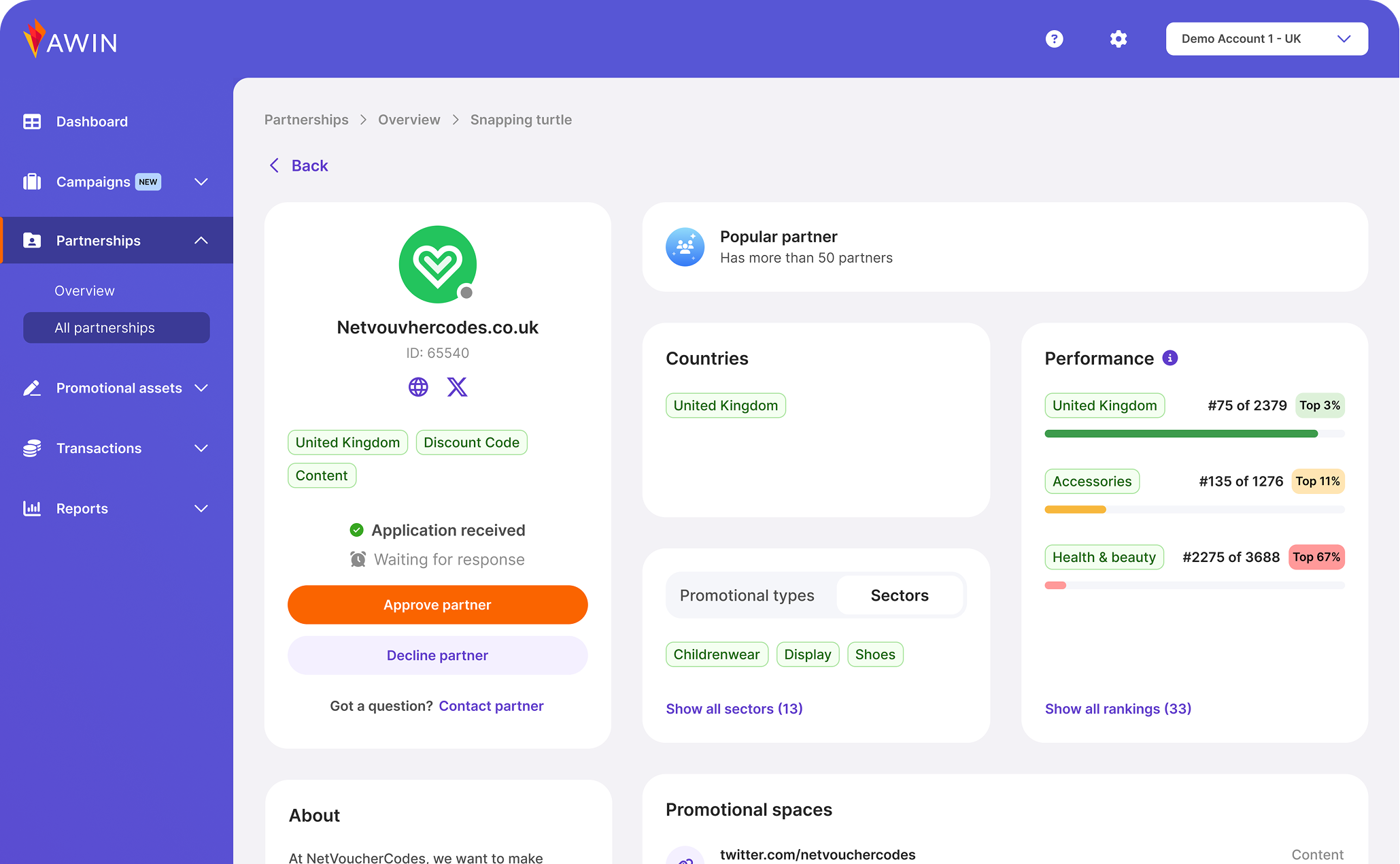
Since this project launched, we have been rebuilding the whole platform from scratch, including my precious profiles! However, almost all of the design decisions have been brought forward, and given a (much needed!) fresh coat of paint. Here's a selection of how they look now, with the help of some of very talented colleagues.

 1.png)
Still curious about this or any other project?
Get in touch to find out more.